Getting Consistent, Quality Results from the Gaming Svg Bundle Vol-3
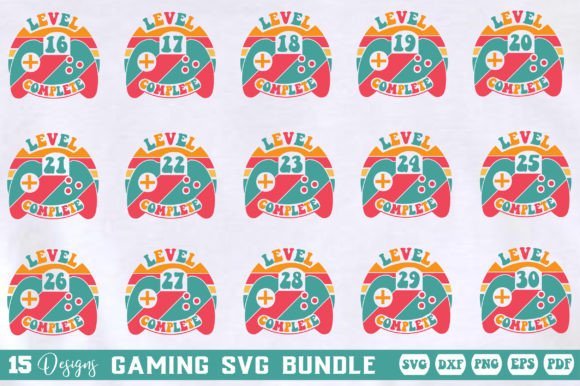
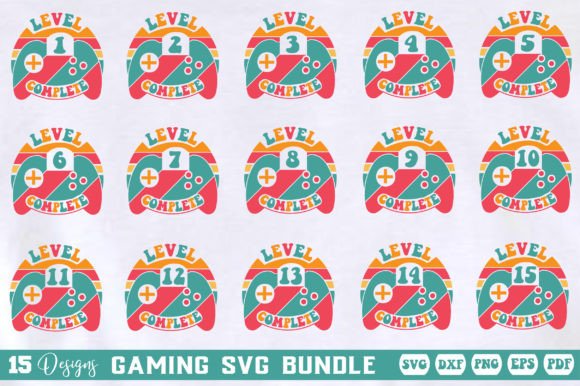
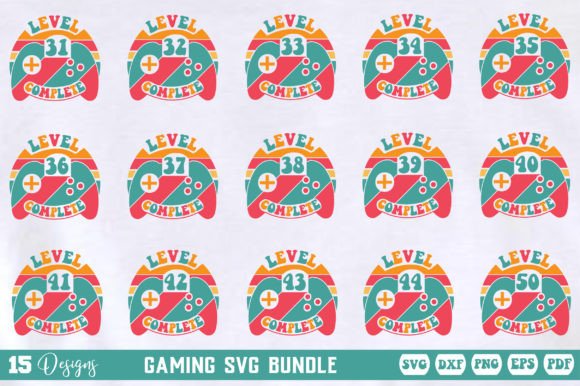
When you purchase the Gaming Svg Bundle Vol-3 from a small creative shop, you receive a tidy .zip file packed with 15 gamer-inspired designs. Each design arrives as a word‑by‑layer SVG, a fully editable EPS, a transparent 300 DPI PNG, a DXF engineering interchange file, and a PDF. It is a digital download only, with no physical product shipped, so you gain instant access to a library that works across Cricut, Silhouette, and print‑and‑cut software. The storefront probably greets you with a friendly “Welcome to my Store” – a sign that a real maker stands behind the collection. Yet even a well‑curated bundle like this can lead to wasted materials, misaligned projects, or frustrating cut failures if you overlook a handful of practical details that experienced crafters have learned the hard way.
This article is not a product pitch. Instead, it walks you through the common missteps, misunderstood file behaviors, and quiet assumptions that can trip up beginners and longtime creators alike. By addressing them early, you preserve time, vinyl, and the crisp finish these designs deserve on shirts, mugs, signs, cards, and home décor.
Untangling What the File Overkill Really Means
A frequent mistake is treating all included formats as interchangeable backups. The bundle provides 15 SVG, 15 EPS, 15 PNG, 15 DXF, and 15 PDF files. That variety isn’t redundancy – each format solves a specific workflow problem. When users grab a PDF for their Cricut or drag an EPS into software that prefers native SVGs, they often see missing parts, scrambled layers, or solid background blocks. The cut preview looks nothing like the store listing.
Better approach: Unzip the folder, then segment your work by project type. For most modern desktop cutters (Cricut Design Space, Silhouette Studio, Brother CanvasWorkspace), start with the SVG files. They are layered and scale infinitely. Keep EPS files ready for heavy Adobe Illustrator editing, where you might tweak controller outlines or blend colors. Use PNG files (300 DPI, background already transparent) when you need a quick preview, a sublimation print, or a mock‑up – but remember they are raster images and will blur if enlarged too far. DXF files speak the language of AutoCAD and certain industrial cutters; they aren’t a first choice for hobby machines. PDF files are ideal for sending a visual reference to a client or printing a paper template. By matching format to task, you skip conversion headaches and keep design integrity intact.
Layer Blindness – the Silly Hurdle That Wrecks Efficiency
Word‑by‑layer SVG files are a standout feature of this bundle. Each text snippet, each icon element, is arranged on its own layer. Yet many users upload the SVG directly to their design software and start cutting without ungrouping or exploring the layers panel. The result? A single slab of vinyl where the quote “One More Game” and the graphic merge into one solid color, or a weeding nightmare that takes three times as long.
A more thoughtful workflow takes thirty extra seconds. After placing the SVG on your canvas, right‑click and choose Ungroup (or open the Layers panel in Cricut). You will see the individual words and shapes become independent objects. Now you can assign different vinyl colors to “Level Up” and the controller beneath it, hide delicate elements for a simpler version, or resize only the text while the artwork stays fixed. For a personal example: a customer wanted to press the “Retro Arcade” design onto a toddler’s shirt. By isolating the joystick layer and removing the fine‑line “Insert Coin” detail, the heat‑transfer vinyl adhered better and weeding became manageable for small hands. Without layer awareness, the project would have been scrapped.
When High Resolution Tricks You into Sloppy Scaling
The PNG files ship at 300 DPI with a transparent background – excellent quality for stationary, stickers, and paper crafts. But because they look sharp on screen, crafters sometimes treat them as vectors and resize them by 500% for a wall decal. At that scale, curved edges become stair‑stepped, and the crisp “Game Over” quote softens into an obvious mess. The same happens when someone prints a small PNG onto a full‑size poster.
Vectors (SVG and EPS) carry no such penalty. They remain smooth at any dimension because they store paths, not pixels. For projects larger than about 8×10 inches, always choose the SVG. Reserve the PNG for tumbler wraps, card toppers, or sublimation prints where the base canvas is already sized appropriately. A wise habit: measure your final output, then ask yourself whether the image will stay at or below its pixel dimensions. If yes, PNG is convenient. If not, forget convenience and switch to a vector.
The License Snare Nobody Discusses Until It’s Too Late
Digital marketplaces often display a warm welcome note, plenty of product photos, and a list of included formats – while a tiny mention of permitted use hides in the description. Skipping this detail can lead to takedown notices or wasted inventory if you run a small T‑shirt line, stickers shop, or craft fair booth. The Gaming Svg Bundle Vol-3 is produced by an independent creator, and its license likely allows personal projects and perhaps limited commercial use, but assumptions are costly.
Before you upload a “Born to Game” design onto products for sale, read every line of the license included in the .zip file or on the store page. If the wording feels vague, contact the seller directly. A simple message like “Can I use these on mugs I sell at markets?” usually gets a clear yes or no. Respecting usage rights not only protects your business but also supports the artist who handed you a welcome and a carefully prepared bundle. Treat the license as seriously as you treat your press settings.
Picking the Wrong Design for the Surface
With 15 gaming‑themed SVGs, you get bold quotes, pixelated elements, controllers, and playful fonts. The temptation is to put the most complex design onto the smallest mug because it looks fantastic on the screen. In reality, intricate lettering like “Eat. Sleep. Game. Repeat.” with thin strokes may not weed cleanly on a 11oz curved surface, and heat transfer vinyl fine lines can peel after a few washes if they aren’t sized up.
A more reliable process: sort the designs by complexity. Use detailed, multi‑layer artwork on flat, roomy surfaces – tote bags, large frosted glass panels, or full‑front sweatshirts. Reserve simple, bold SVGs (the ones with fewer nodes and thicker letters) for slim tumblers, pens, or baby onesies. One customer learned this after struggling with a controller‑and‑banner design that wrapped awkwardly around a tapered wine glass; when she switched to the straightforward “GG” text SVG, the weeding was effortless and the result looked intentionally minimal. Your project’s size and shape should guide which file you pick, not just the cool factor.
Assuming Software Compatibility Is Universal
The bundle description states the files are compatible with a wide range of software, but “compatible” doesn’t guarantee a hassle‑free import. Some older Cricut models (like the Explore family before firmware updates) handled SVG uploads beautifully but hiccuped on DXF layers. Silhouette users with Basic Edition cannot open SVGs at all – only the DXF or tracing a PNG will work. Even modern programs may flatten or misinterpret gradient‑filled EPS files.
Before you hit “buy” (or right after you download), confirm what your specific software and machine firmware version accept. If you own a Silhouette and haven’t upgraded to Designer Edition, you’ll lean on the included DXF or trace the high‑quality PNG. If your CAD software requires DXF version R12 and the supplied DXF is R2000, you might need a free online converter. The bundle’s versatility means you can always find a workaround, but expecting every format to import flawlessly without a quick check is where projects stall.
Download Once, Lose It Forever
Digital downloads are wonderful until a hard drive fails or you can’t remember which email address you used. The Gaming Svg Bundle Vol-3 comes as one .zip file; you download it, and from that moment it’s your responsibility. Far too many users leave the zipped folder languishing in a downloads directory, then frantically search months later when a custom order comes in.
Avoid the panic. The moment you unzip the files, create a logical folder system: a master folder named “Gaming SVG Bundle Vol‑3,” inside that sub‑folders for “SVG,” “EPS,” “PNG,” “DXF,” “PDF.” Right‑click the master folder and send a copy to your cloud storage (Google Drive, Dropbox, iCloud) and perhaps an external USB. Rename individual design files if the originals are cryptic – “gamer15.svg” becomes “Retro_Controller_Layered.svg.” This small act of organization turns a chaotic .zip into an instantly usable asset library.
Passing Over the Store’s Built‑in Guidance
A friendly “Welcome to my Store” often comes bundled with more than good vibes. Small shop owners frequently include a read‑me file, a link to a video tutorial, or a PDF that explains how to separate layers or which blade depth to use on glitter vinyl. When this extra material is ignored, beginners repeat mistakes that the seller already documented how to fix. The result is avoidable frustration and sometimes a negative review for a product that performed exactly as promised.
Take five minutes to skim everything in the download. If you see a file named “Instructions.pdf” or a thank‑you note with a YouTube link, click it. Not only does this shortcut your learning curve, but it also reveals little‑known tips – like which designs weld best for a neon sign effect or how to add an offset in Design Space to create a sticker border. An entrepreneur who absorbs that free knowledge can finish twice as many projects in a weekend and build the confidence to customize further.
Thoughtful handling of the Gaming Svg Bundle Vol-3 transforms a simple zip file into a dependable tool for t‑shirts, mugs, signs, and beyond. When you pair the right format with the right surface, respect the layers, confirm your license, and organize your stash, you stop wrestling with technology and start enjoying the crafting. The welcome note from the store isn’t just pleasantry – it’s an invitation to create wisely, without the hidden pitfalls that derail so many promising projects.